


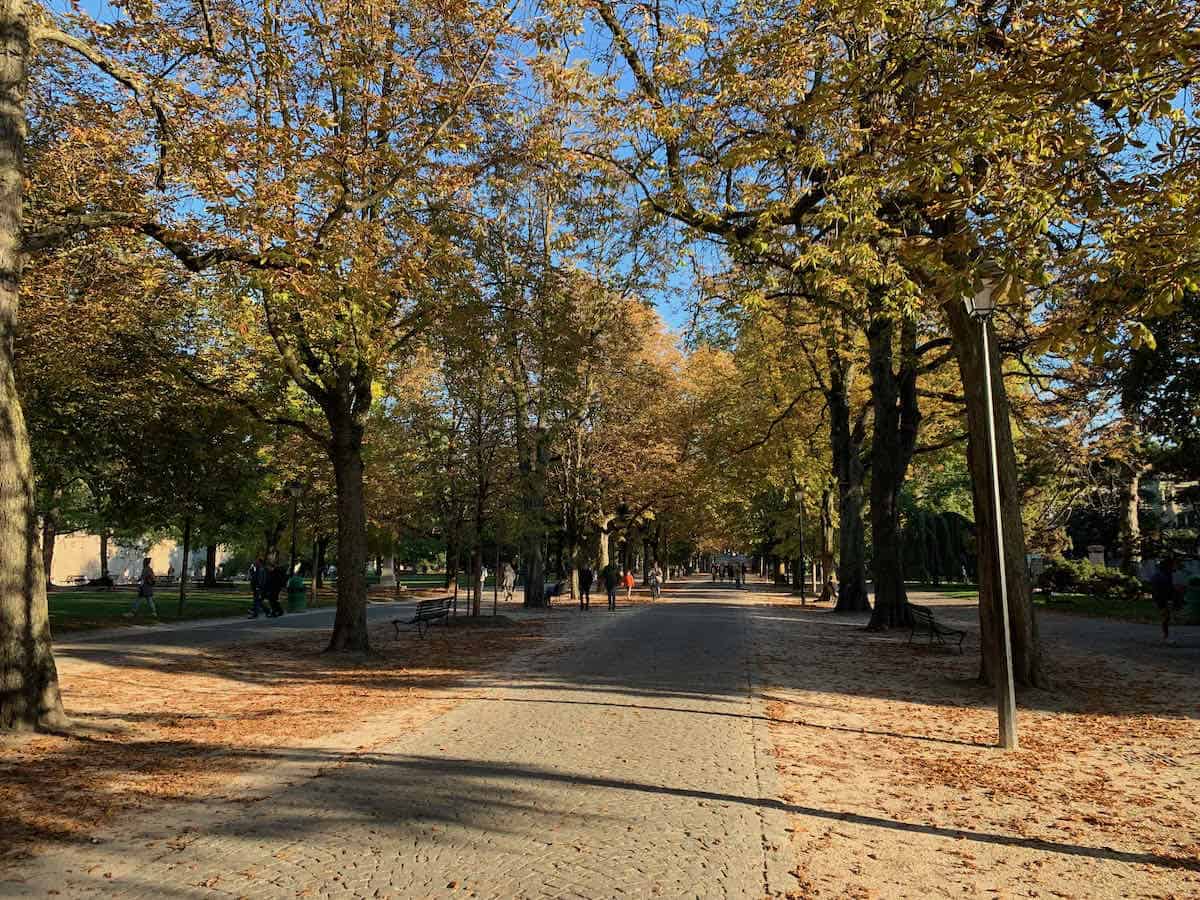
Autumn is the ideal time to discover a different Geneva, from which the summer crowds have moved away. Gradually yellow and brown replace green in the trees, bringing a certain serenity to the city's parks.
Enjoy the autumn in Geneva...
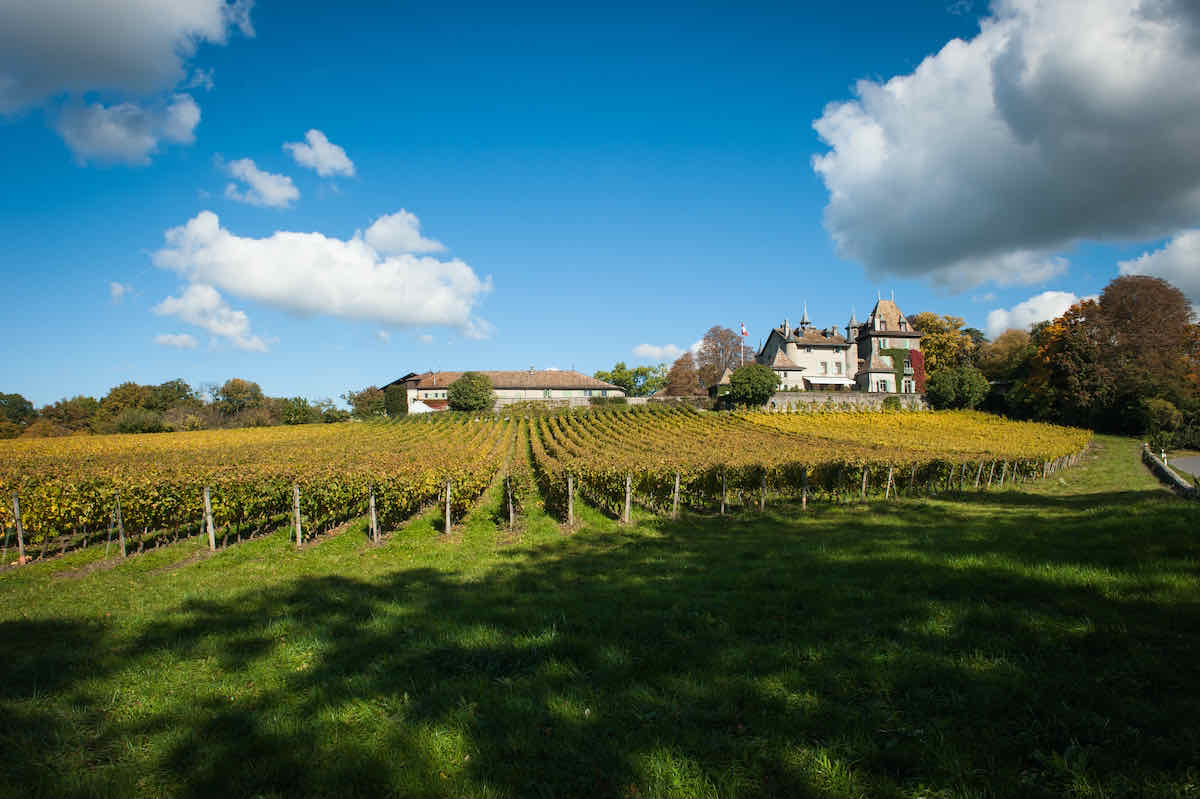
In the vineyards, however, activity is at its peak. The harvest is in full swing and the 95 wineries of the canton have a lot to do to harvest the grapes in time and at perfect maturity.
Geneva, third largest wine-producing canton in Switzerland
With more than 1'400 hectares of vineyards, Geneva is the third largest wine producing canton in Switzerland.
Besides the historical grape varieties - Chasselas, Chardonnay and Riesling Sylvaner for the whites, Gamay and Pinot Noir for the reds - the winegrowers now offer specialties based on Viognier, Gewürztraminer, Cabernet Sauvignon, Gamaret, Merlot or Divico. It's impossible not to find a wine that suits you.
Before being harvested, the grape has undergone several transformations according to the seasons. In spring, the bud appears and then turns into a flower. The summer sees the bunches of grapes form and gradually fill with sugar thanks to the effect of the sun. In general, the harvest starts 100 days after the flowering.
The date of harvest is an essential parameter, because grapes harvested before maturity produce acidic wines. Conversely, grapes harvested late produce wines with too much sugar or too much alcohol.
Visit a cellar and taste Geneva wines
In Geneva, the vine is a tradition that does not date from yesterday. Our canton, widely recognized for the quality of its wines and the diversity of its grape varieties, has been cultivating grapes since Roman times.
Take the time to visit a local winery and taste the products of a passionate artisan. Here, there is no excessive mechanization; the surfaces are reduced and the production is largely artisanal.
Any questions?
Our concierge is at your disposal and will be happy to provide you with information
In Geneva, the bicycle is king!
Geneva is a cyclist-friendly city; it offers many trails and facilities for two-wheelers.
A self-service bicycle system is available throughout the territory and offers 24/7 rental of muscle and electric bikes via the Donkey Republic app
Often used in the city as a quick way to get around, the bicycle is perfectly adapted to ride along Lake Geneva, to visit the various points of interest in the city and to discover the Geneva countryside.
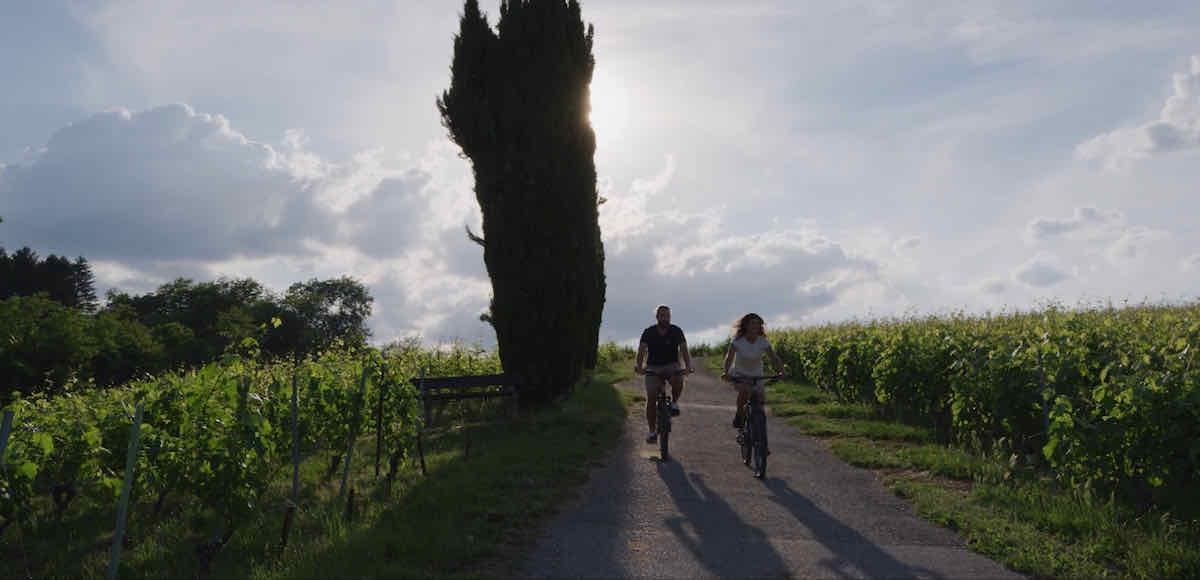
Geneva - Salève - Geneva
The itinerary first passes through historic Geneva, crossing the Parc des Bastions, which houses the famous Wall of the Reformers in memory of Calvin, a witness to Protestant Geneva.
After passing through old residential areas and the beautiful Bertrand Park, a bicycle lane allows you to walk safely along the route de Florissant, a link between town and country. The Pont de Sierne spans the Arve, a river with murky, silty waters that rises in the Mont Blanc region.
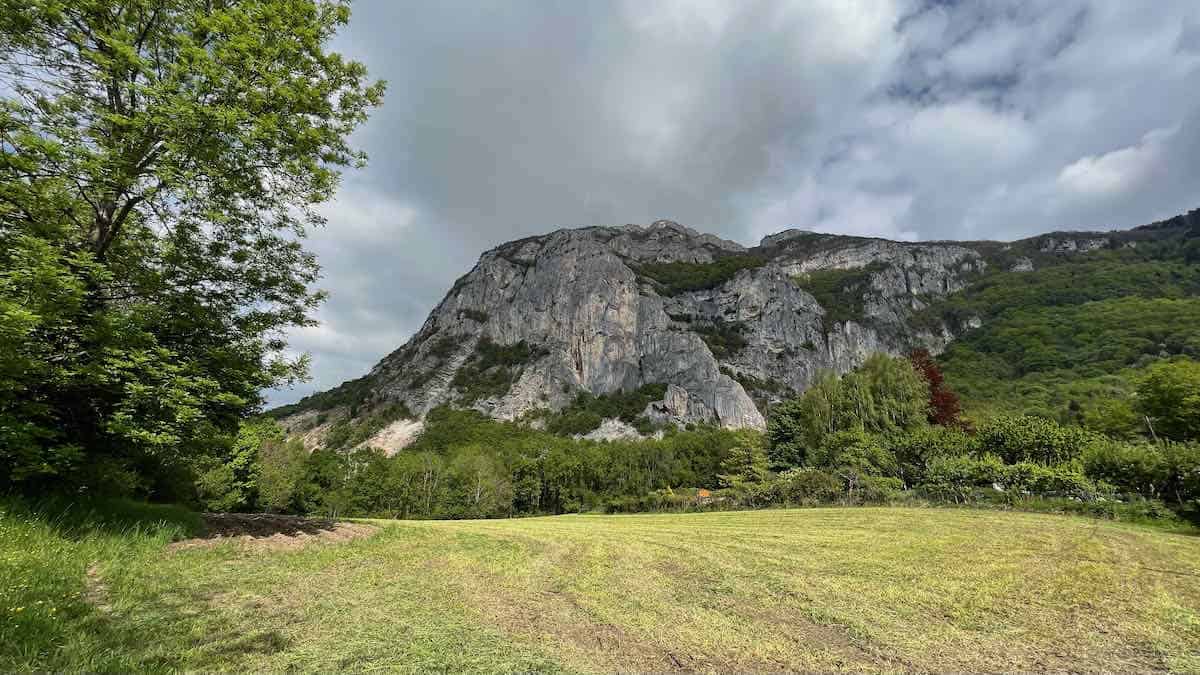
And here are the Petit-Salève and the Salève (of which I speak a little later) which raise their limestone cliffs, sentinels of Geneva on French soil. The same path leads back to the starting point, for a total distance of about 14 kilometers.
Tour du Léman : stage 1 Hermance-Geneva
The Tour du Léman rewards the slightly seasoned cyclist for his or her efforts with the spectacle of sites of striking beauty. It's 200 km of marked routes in 2 countries and 5 territories: the tour crosses Geneva, the Pays de Gex, the cantons of Vaud and Valais, and the Chablais Haut-Savoyard.
This 16 kilometer stage is almost flat and starts in the picturesque village of Hermance before reaching Cologny. From there, you have a spectacular view of the Geneva harbor and its water jet, which you reach before crossing the Petit Lac.
Route du Rhône : stage 8 Geneva-Geneva (Chancy)
With a length of 27 kilometers, this slightly hilly stage will lead you from the western suburbs of Geneva to the river landscape of the Rhône, crossing the vineyards and fields of the Geneva countryside.
This is the last stage of a 350 km route starting from Andermatt, a large winter sports resort in the canton of Uri.
The Salève, the balcony of Geneva
Located in the department of Haute-Savoie and accessible in 30 minutes from the center of Geneva, the Salève offers a breathtaking view of the city of Geneva, Lake Geneva, the southern Jura mountains, the Pre-Alps, Lake Annecy and the Mont Blanc.
Although located entirely in France, it is adjacent to the Geneva area, the border passing at the foot of the cliffs at the northern end of the mountain.
Accessible in summer and winter, on foot, by road or by cable car (under revision until spring 2023), this emblematic mountain of the Geneva region allows you to breathe in nature and practice all kinds of sports: walking with more than 250 km of marked trails, cycling, climbing, paragliding, snowshoeing in winter, ...
Thus was born the rock climbing...
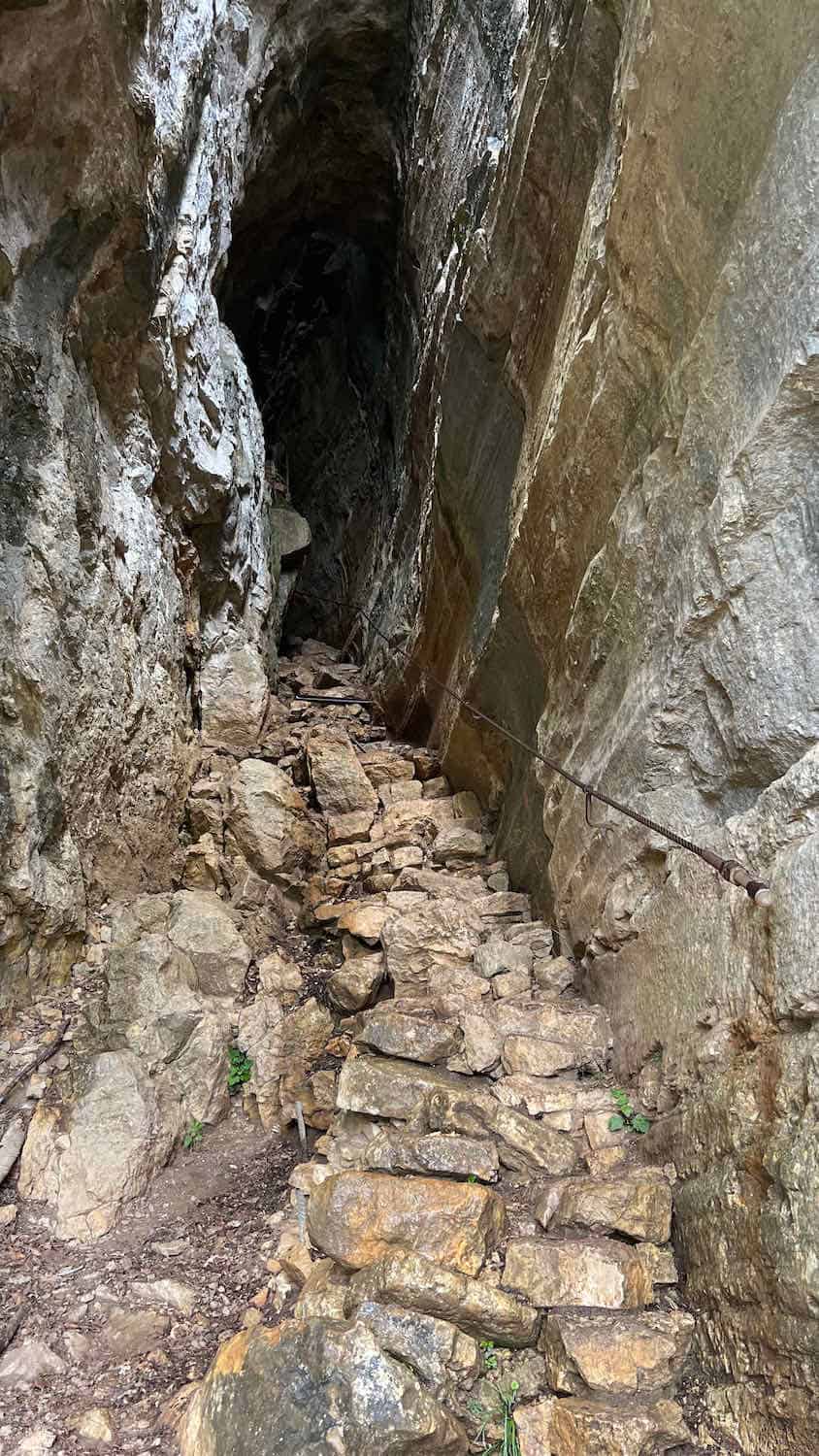
The term "varappe", to designate the practice of rock climbing, has its origins in a gorge of the Salève, so named by the inhabitants of the region.
Although there were already a few explorations of the Varappe gorge in the 1860s, it was not until 1876 that it was climbed for the first time. The authors of this exploit belong to a circle of about fifteen members, which is then naturally named La Varappe.
The La Varappe circle quickly became a model for many small societies of the same kind (Geneva had 42 mountain clubs in 1914). Compared to the very academic Alpine Club of the time, La Varappe was characterized by the young age and small number of its members, as well as by the informal nature of its activities.
The year 1883 marked the entry of the term "Varappe" into the world of mountaineering and alpine literature. Three members of La Varappe made the first ascent of the highest summit of the Aiguilles Dorées (3,519 meters), which they named Aiguille de la Varappe. The success of this climb, to which many famous mountaineers had already tried, confirms the technical qualities of the Salève climbers.
In 1920, the Larousse dictionary recognized and defined the word "varapper" as follows: "Climbing rocks with the help of feet, hands, knees and elbows".