


Geneva is an important place for business and economy, home to many international organizations and companies.
Geneva, between art and science
It is also a cosmopolitan city, rich in history and culture, which plays an important role in the field of science due to the presence of many renowned scientific institutes and organizations.
Are you a modern art lover?
The MAMCO is for you!
Housed in a disused factory in the heart of Geneva, the MAMCO's spaces cover 3,500 m2, making it the largest contemporary art museum in Switzerland.
Dedicated to the exhibition, conservation and promotion of modern and contemporary art, the MAMCO offers historical tours through several exhibitions articulated around a main project, renewed three times a year.
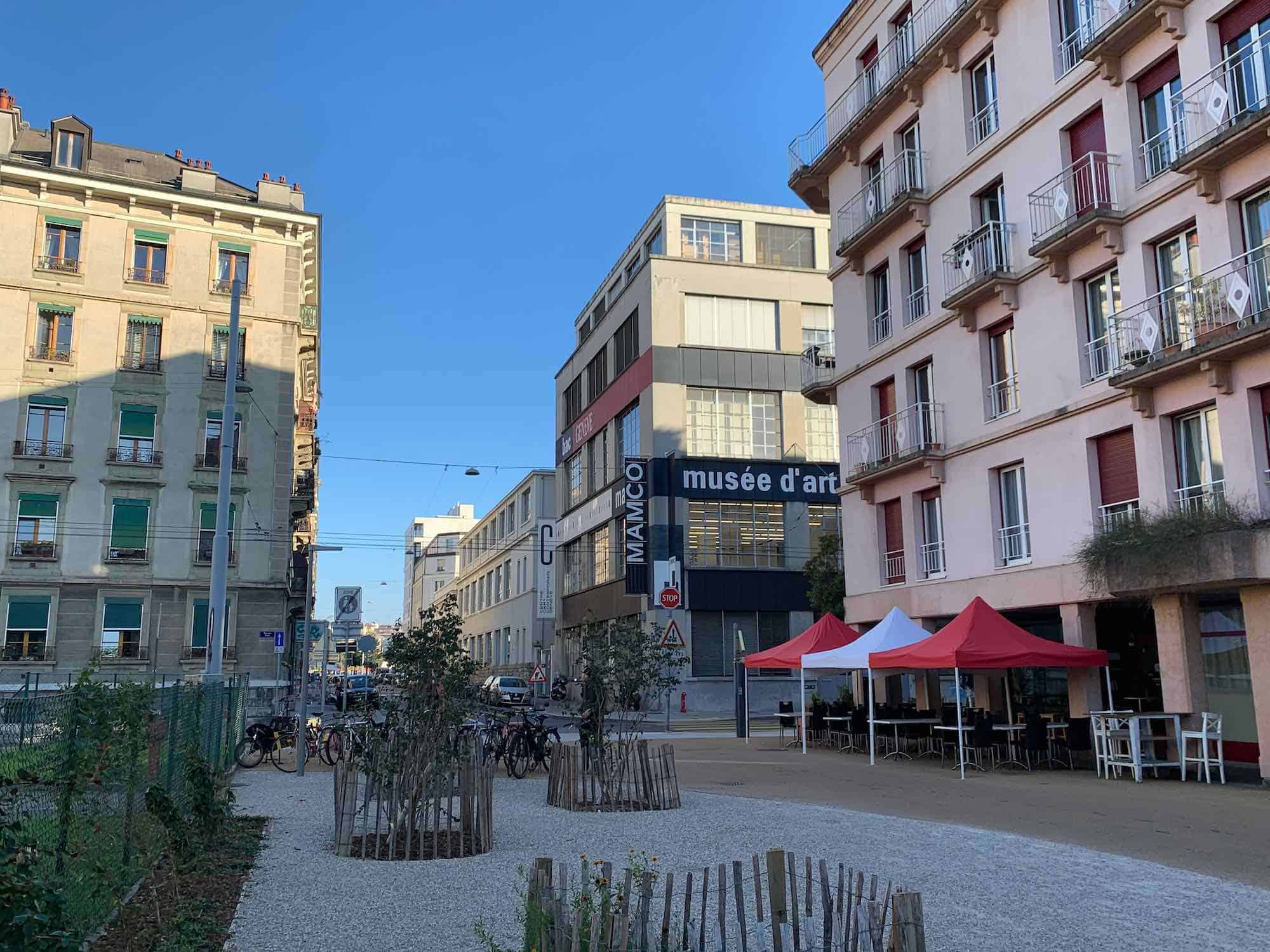
In the idea of de-sacralizing both art and spaces, an exhibition was organized three months before the official opening of the MAMCO in 1994. It proposed to use spaces such as the stairwell as an exhibition space. Today, works of art are still visible in the staircase, but also in the toilets.
The MAMCO is also a place of cultural life where activities and events take place such as: workshops for adults, activities for children and families, conferences and guided tours. It is therefore a place of encounter and discovery for all publics.
Since its opening, the MAMCO has published numerous works on contemporary art, thus contributing to research. The museum favors artists' projects, monographs on the artists exhibited and historical or theoretical texts on the history of art.
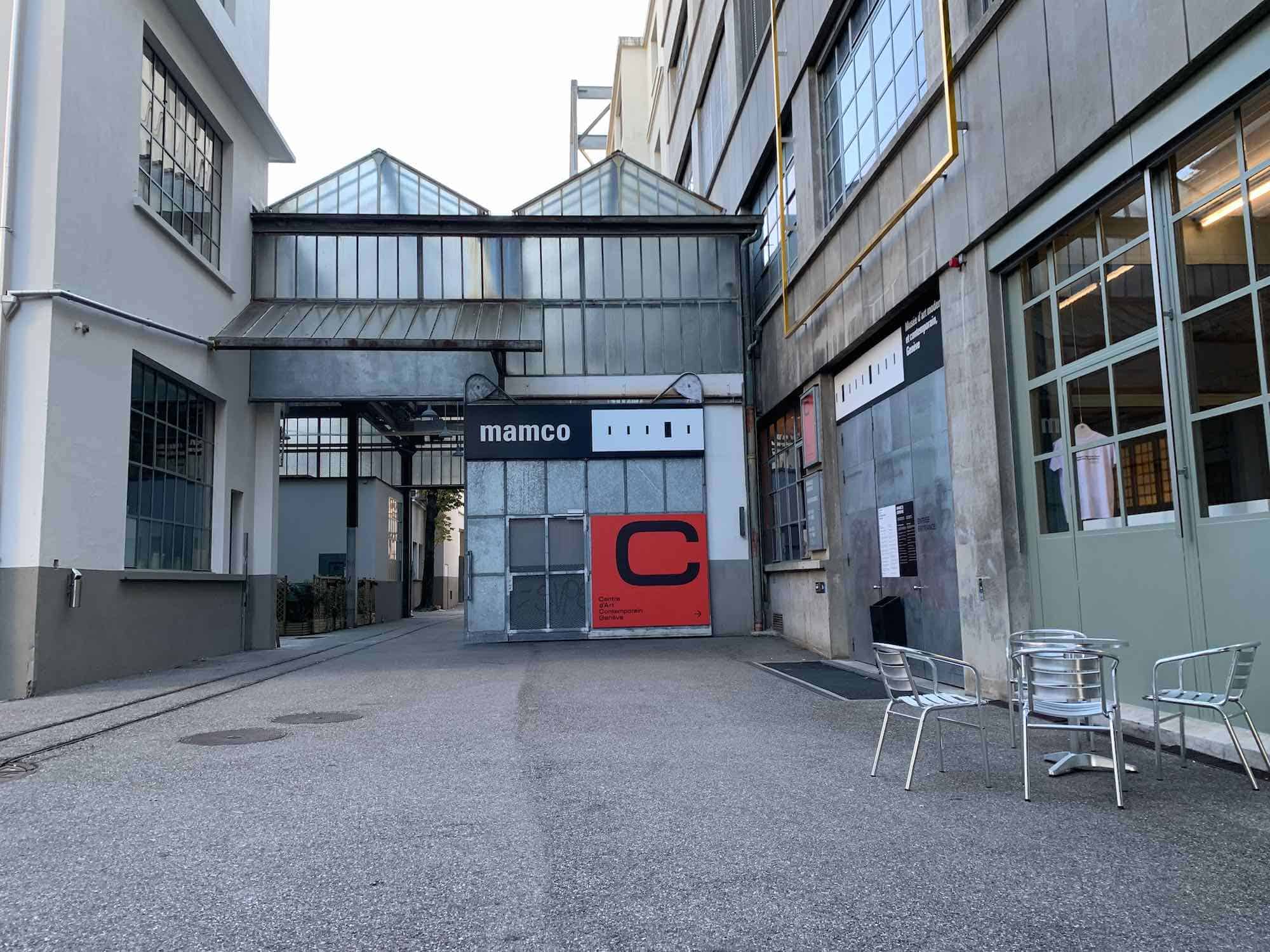
Visit also the MAMCO online
The MAMCO collection includes more than 6,000 works from the second half of the 20th and the beginning of the 21st century, about half of which have been put online.
Try the experiment, by searching for example 'Christo'.
Geneva is home to more than thirty museums and galleries, making it a must for art lovers.
For example, the Museum of Art and History, the MEG - Museum of Ethnography of Geneva, the Ariana Museum or the Museum of Natural History.
Find all the museums of Geneva on the website museesdegeneve.ch
Geneva, city of sciences
Geneva is home to many international organizations in the field of science, such as CERN (European Council for Nuclear Research), the World Health Organization (WHO) and the United Nations Educational, Scientific and Cultural Organization (UNESCO).
These renowned organizations play a key role in international cooperation and coordination of efforts to address global challenges in health, education and science.
Located a few kilometers from Geneva, CERN attracts researchers and scientists from around the world to conduct experiments on elementary particles and the fundamental forces of the universe.
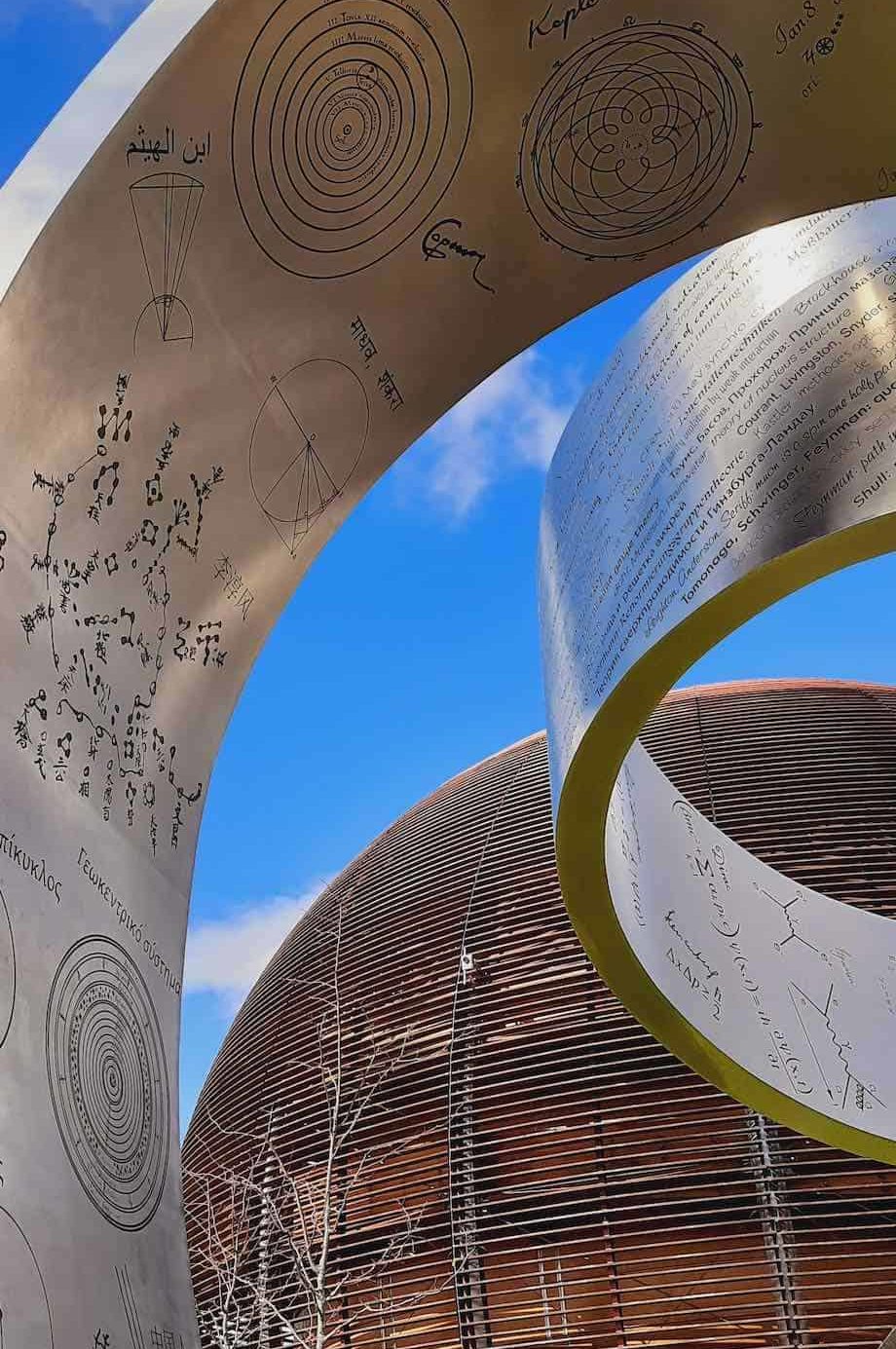
It is best known for its experiments at the world's largest and most powerful particle gas pedal, the Large Hadron Collider (LHC), whose rings extend beneath neighboring French municipalities.
Experiments at the LHC have discovered the Higgs boson, a fundamental particle that explains how other particles acquire their mass.
A world-renowned research facility that contributes to our understanding of the universe and its fundamental laws, CERN's experiments and discoveries have important implications for science and society.

Visit CERN
Yes, it is possible to visit one of the most important particle physics research centers in the world. A visit that you will not forget for sure.
You can book online or contact our concierge, who will be happy to arrange your visit.
Did you know that?
The web, which allows us to broadcast this article on our website, was created at CERN in 1989 by the British researcher Tim Berners-Lee.
Originally, the project, called "World Wide Web", was designed and developed so that scientists working in universities and institutes around the world could exchange information instantly.
